

Archaeologists Discover 2,700-Year-Old Phrygian Tomb with Untouched Treasures in Ankara. A 2,700-year-old wooden burial chamber, filled with 88 intact metal artifacts, has been uncovered in Gordion—potentially belonging to a member of King Midas’ royal family, offering unprecedented insights into Phrygian funerary custom
Groundbreaking Discovery in Gordion: A Tomb Fit for Royalty
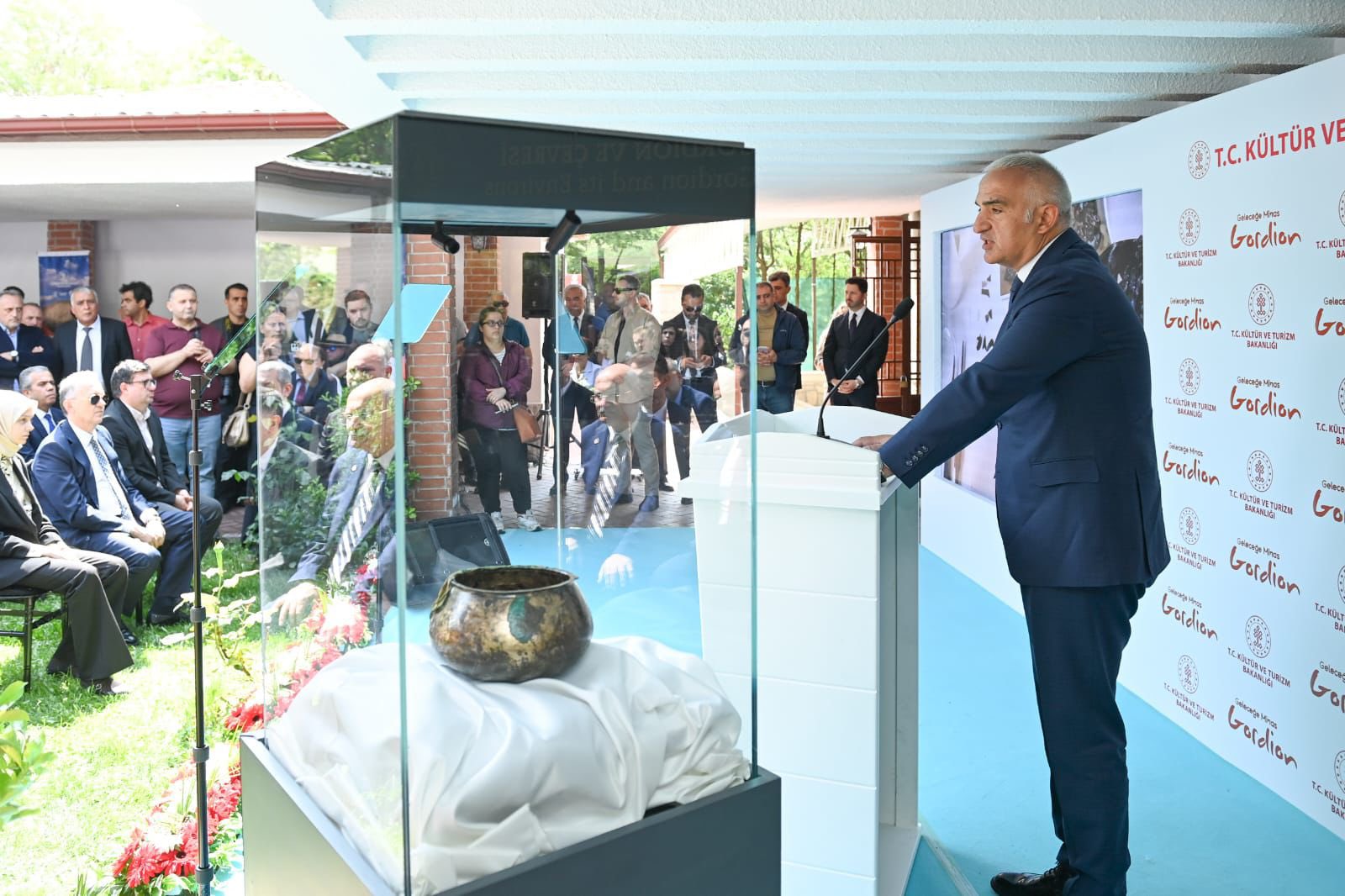
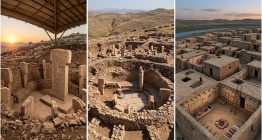
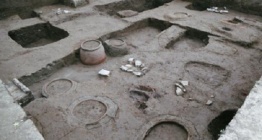
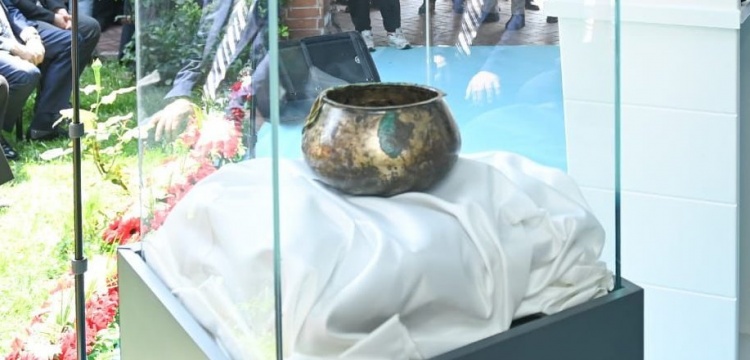
Archaeologists in Gordion, the ancient Phrygian capital, have uncovered a remarkably preserved wooden burial chamber in Tumulus T26, believed to belong to a member of the royal family—possibly linked to the legendary King Midas. The tomb, dating back 2,700 years, contained 88 intact metal artifacts, including bronze cauldrons, iron incense burners, and a rare textile-wrapped jug, offering new clues about Phrygian burial rites and political history.
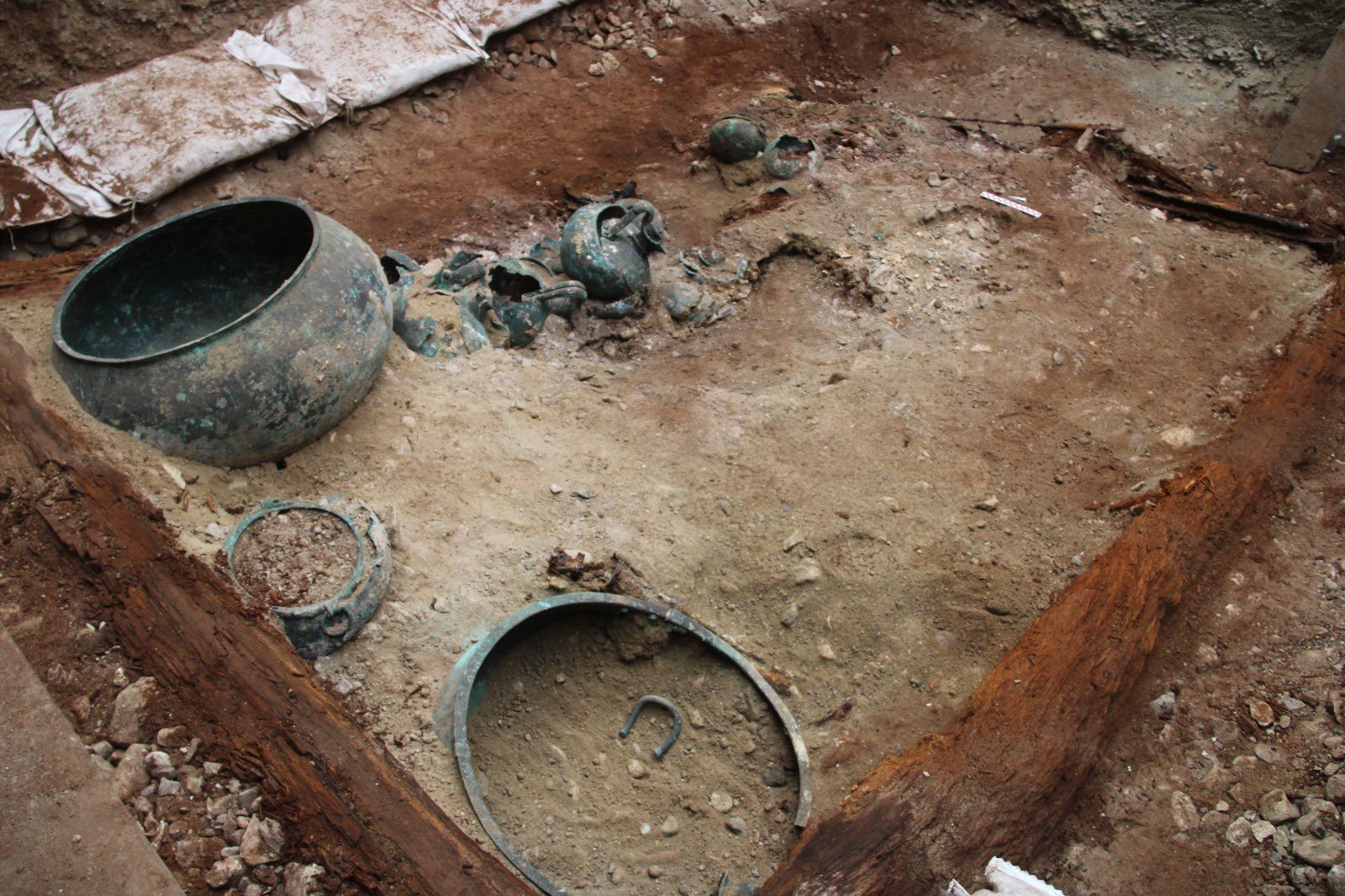
A Royal Legacy
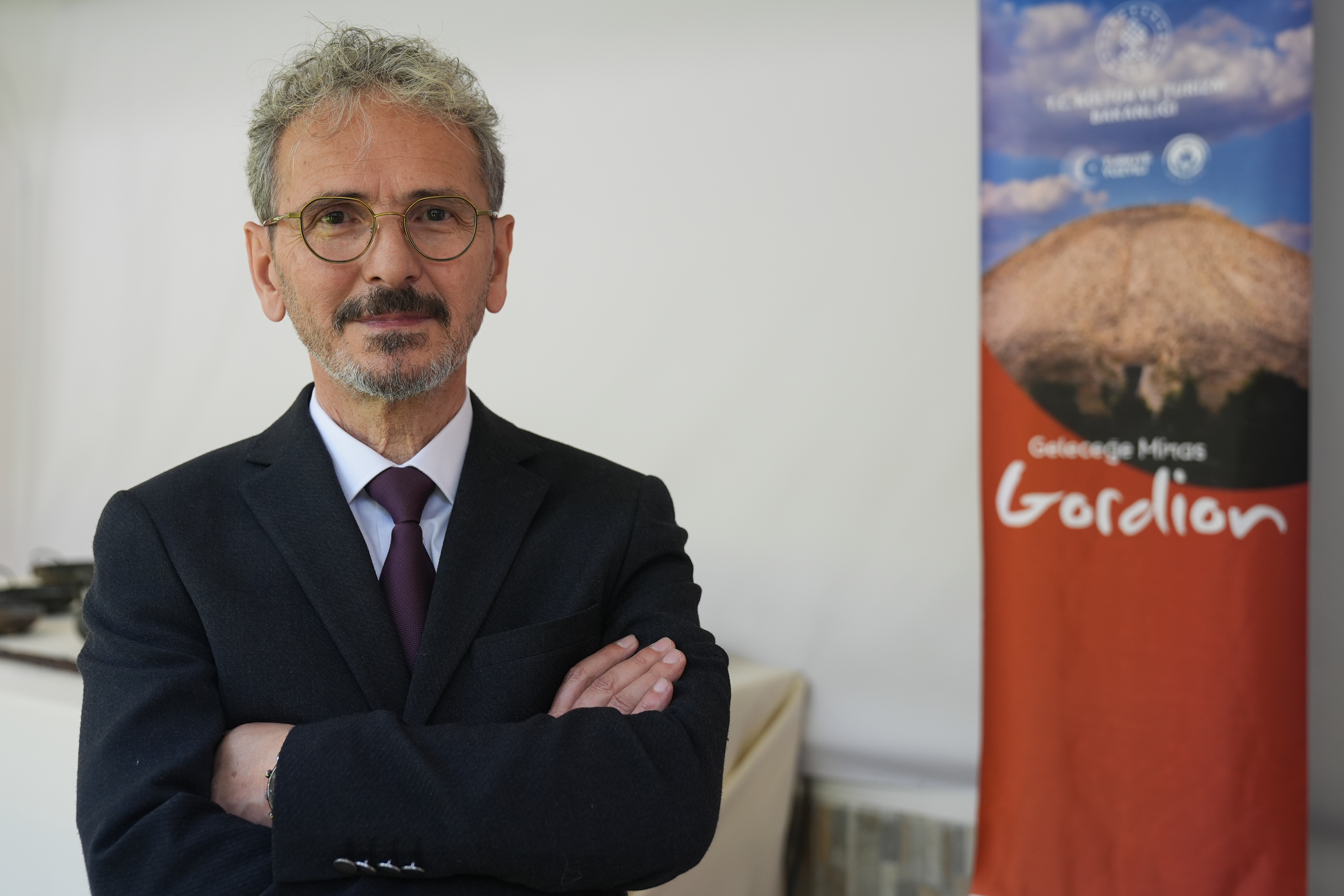
Led by Prof. Dr. Yücel Şenyurt of Ankara Hacı Bayram Veli University, the team discovered the 8-meter-high tumulus—a mid-sized burial mound by Gordion’s standards—with systematic excavations revealing collapsed but well-preserved grave goods. Among the finds was a bronze vessel wrapped in linen, a rare survival due to bronze corrosion’s protective effects. "This level of preservation is exceptional," noted Şenyurt, comparing the textile to traditional Anatolian cheese-making cloths.
The tomb’s wealth and monumental structure suggest its occupant was elite—perhaps a king or high-ranking official. Notably, it is the oldest known cremation burial (circa 750 BCE) in the region, challenging assumptions about Phrygian funerary practices. "We found both ashes and rich grave goods, confirming this was no ordinary individual," Şenyurt added.
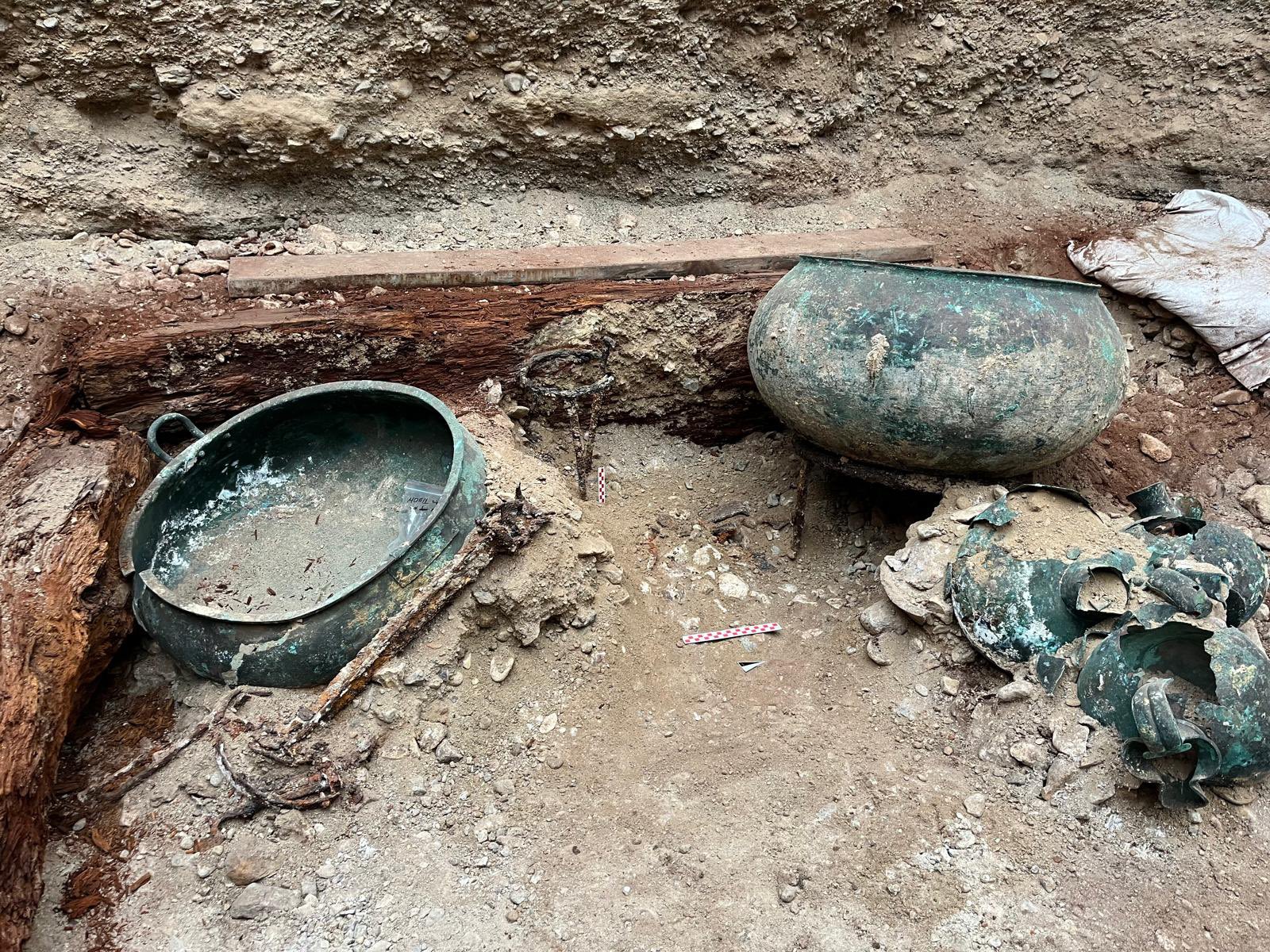
King Midas Connection?
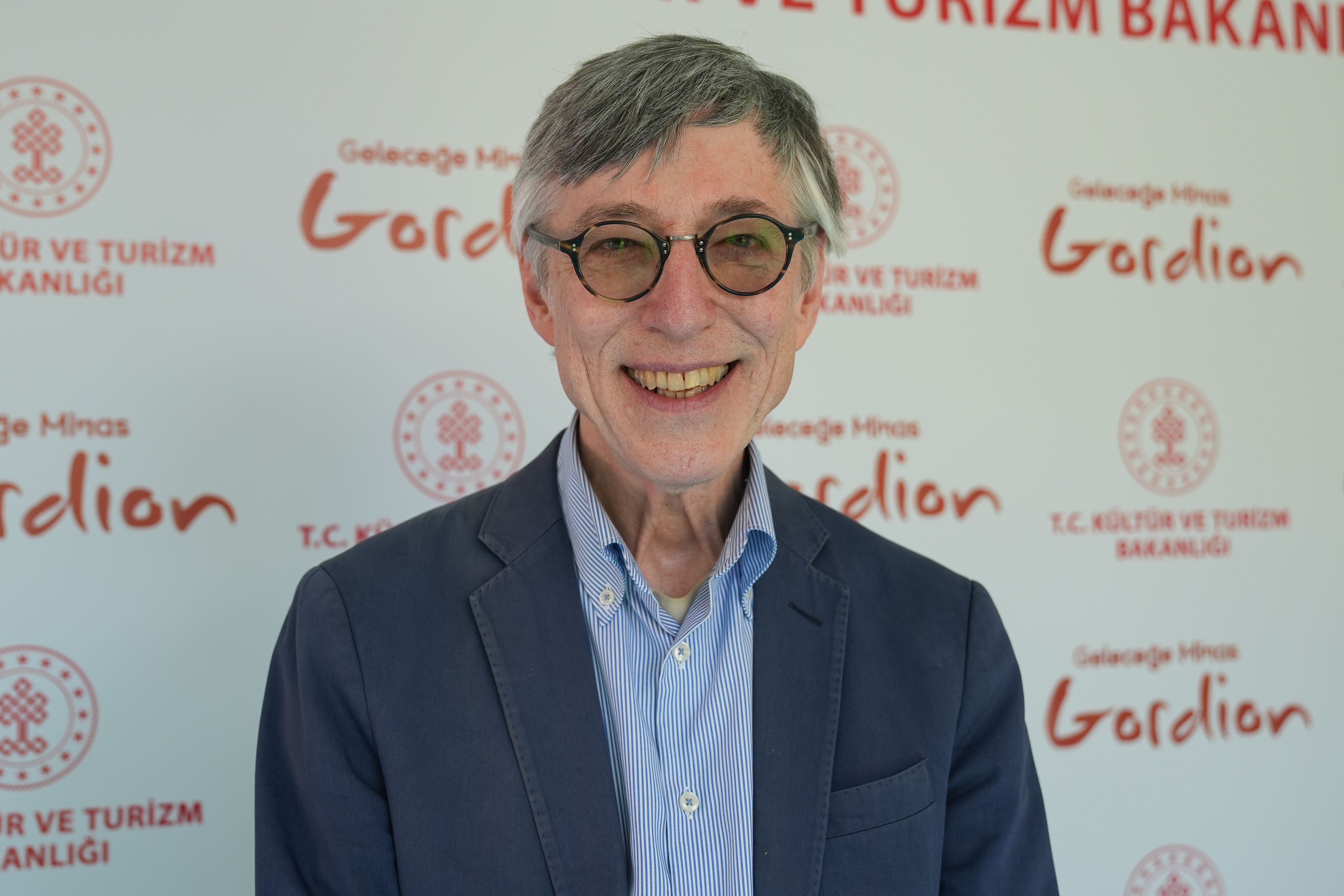
Dr. Charles Brian Rose, co-director of the Gordion excavations, highlighted the tomb’s proximity to the Midas Mound (built for the king’s father) and its contemporaneous bronze artifacts. "This could very well be a relative of Midas," he said, emphasizing the uniqueness of the cremation, as most 8th-century Gordion burials involved inhumation.
Preserving the Past
Both Rose and Şenyurt underscored Gordion’s untapped potential, with countless unexcavated tumuli awaiting study. The site, added to UNESCO’s World Heritage List in 2023, is now part of Turkey’s "Legacy for the Future" project, which extends excavation seasons to year-round and boosts local tourism.
Cultural Significance

Turkish Minister of Culture and Tourism Mehmet Nuri Ersoy hailed the discovery as proof of Anatolia’s "treasure chest of civilizations." Forty-seven artifacts have already been restored and moved to Gordion Museum, with plans to display the tomb in situ.
A Future for Gordion
With ongoing conservation and plans to attract global visitors, Gordion’s latest revelation cements its status as a key to understanding Iron Age Anatolia—and perhaps, the golden touch of its most famous king.
(Adapted from Anadolu Agency | Photos: AA)
 Sadabad Sarayı’da ABD-İsrail Saldırıları İle Hasar Gördü: Kültürel Miras Tehlikede
  Anadolu’nun Kapısı Ani, Kültür Turizminin Yeni Merkezi
  Kolezyum’un Güney Koridorları Restorasyon Sonrası Yeniden Ziyarete Açıldı
  Sillyon Antik Kenti’nde Osmanlı Dönemine Ait Köy Meydanı Ortaya Çıkarıldı